
Why this works
AI regularly produces nonsense. It fabricates sources, reverses conclusions, and gives answers that look reliable but aren't. That's not a bug — that's how this technology works.
The solution? Let AI correct itself. In this workshop, you'll learn five techniques that each solve a different problem. You'll discover when to use which, and how to use one approach to verify another. This way, you catch hallucinations before they cause damage.
No prompt checklists
You see lists everywhere: "50 best ChatGPT prompts", "The ultimate prompt formula". That approach doesn't work. As soon as the model changes, your tricks are outdated.
In this workshop, you'll learn a principle that keeps working: let the AI determine how to best phrase the question. You provide the goal, the AI formulates the approach. The result is more consistent, faster, and you'll never have to google "the perfect prompt" again.
Before the workshop, you'll receive a brief questionnaire about your work and challenges. This way, we work all day with your real questions.
"The same dataset produced a devastating report and a glowing report. Only the phrasing was different. How do you get a neutral version?"
Learning objectives
After this workshop, you'll be able to:
Explain what AI is suitable for and what it isn't — so you know when to use it and when not to
Apply five AI techniques for different tasks: research, analysis, writing, source verification, and building tools
Recognize when AI produces nonsense, fabricates sources, or pushes you in a certain direction
Have AI formulate the right question itself — so you don't have to puzzle over the perfect instruction
Assess whether you can trust an AI answer — and how to verify it
Achieve results the very next workday with a method that requires no prior knowledge
Five techniques, one method
Most people use AI in one way: ask a question, get an answer, hope it's correct. But there are five different approaches — and you need all of them to work reliably.
Document analysis — AI that only uses your sources and links every claim to a footnote. No fabrications.
Search with citations — AI that searches the internet and provides verifiable references with every answer.
Image recognition — AI that analyzes photos, finds context, and conducts deep research.
Professional writing — AI that formulates clearly, reasons sharply, and refuses to produce nonsense.
Building tools — AI that creates working applications based on your description, no programming required.
These techniques work with various AI systems. In the workshop, you'll learn which approach to choose when — and how to apply this with the systems your organization allows.
Get started immediately
After the workshop, you can practice right away. Does your organization already have AI access? Then you apply the techniques there. If not, you'll get temporary access to practice until your workplace is ready.
Practical information
Location: By arrangement (in-company training available)
Groups are limited to fifteen people. That's intentional. You work all day with your own documents and work challenges. This isn't a lecture hall — it's a working session.
2-day bootcamp
Day 1: learn and practice all five techniques. Day 2: deep dive with your own projects, personal coaching, and building custom workflows for your work. Includes 10% discount.
About the instructor
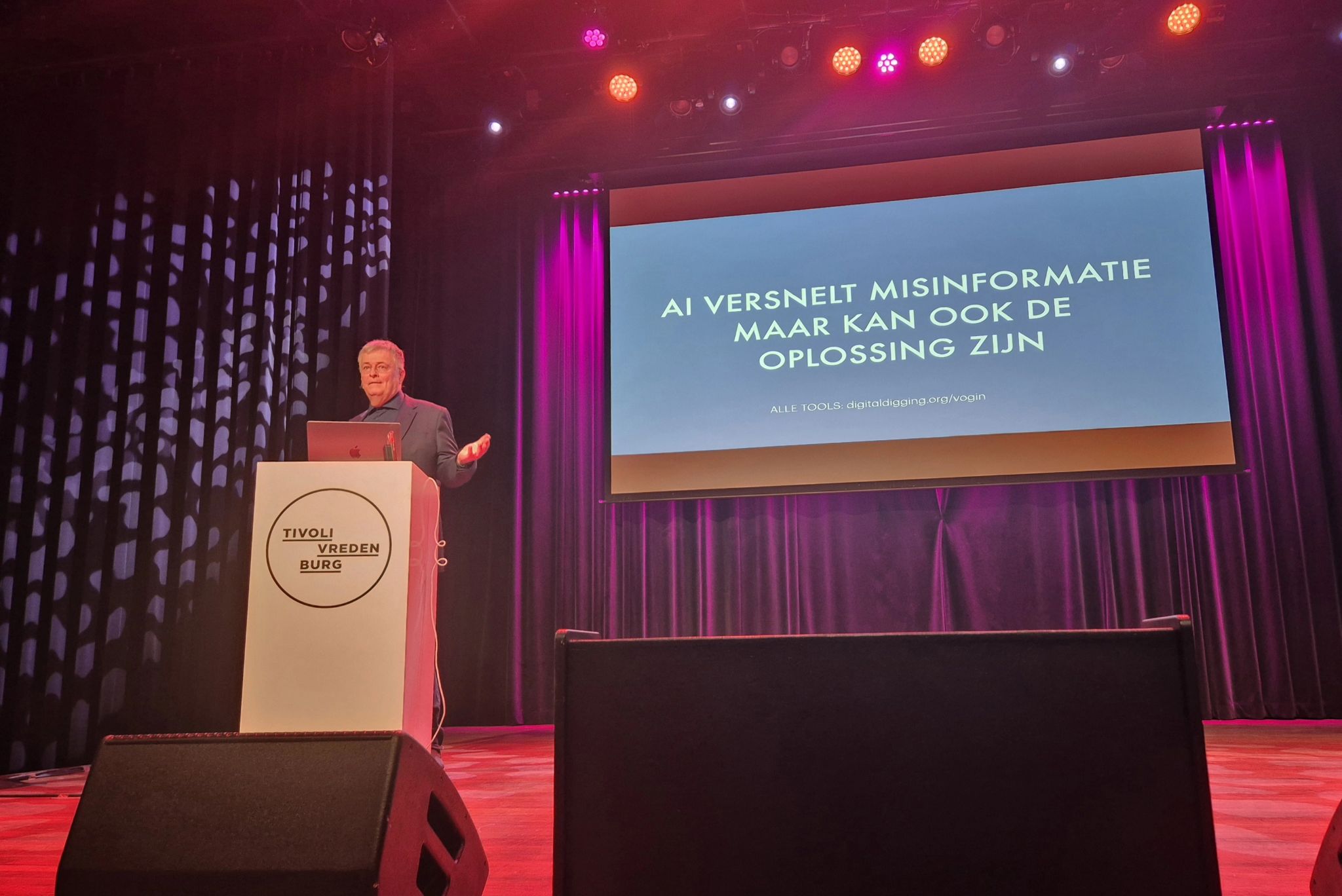
VOGIN Congress, Utrecht
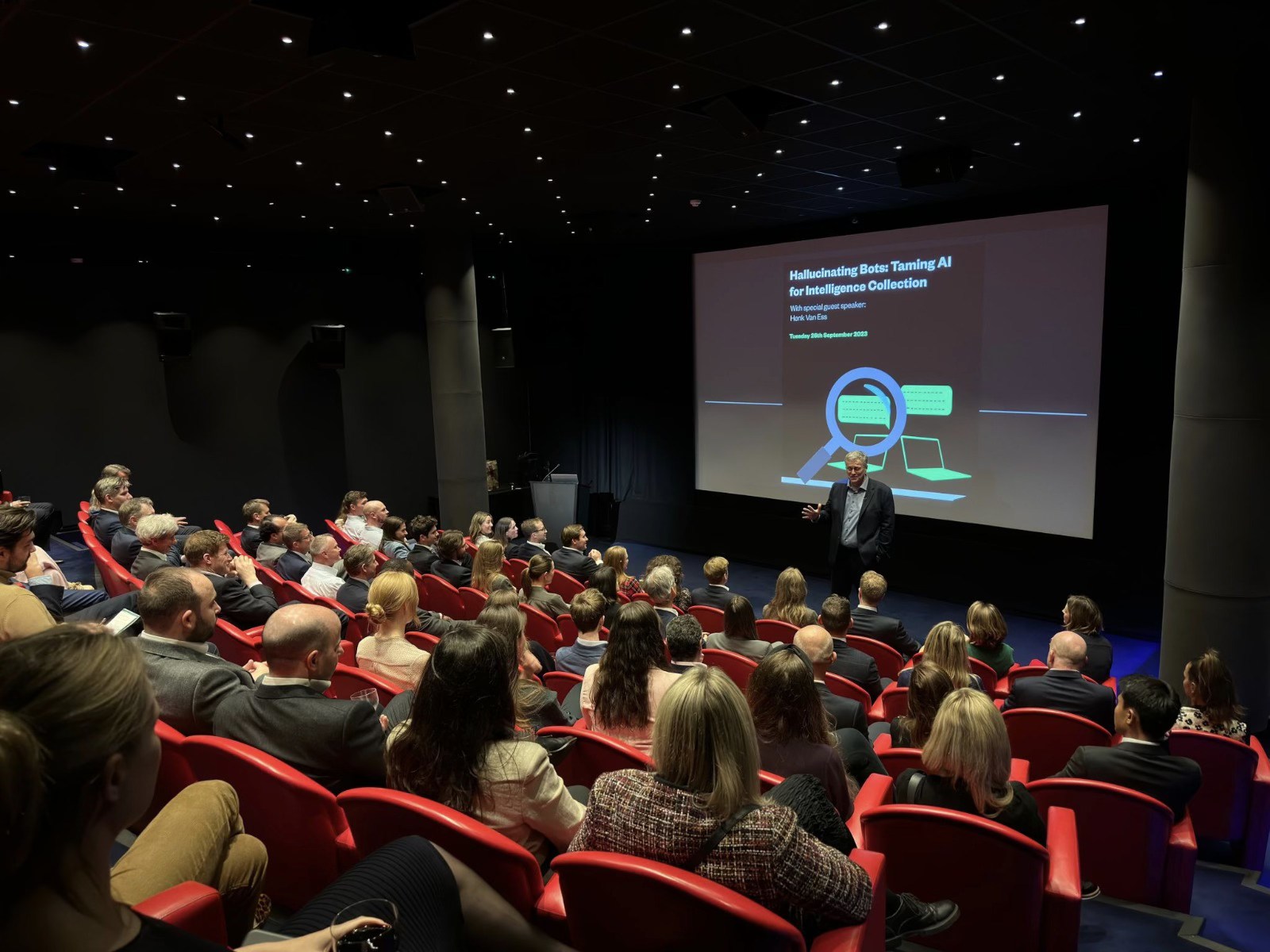
Legal advisors, London
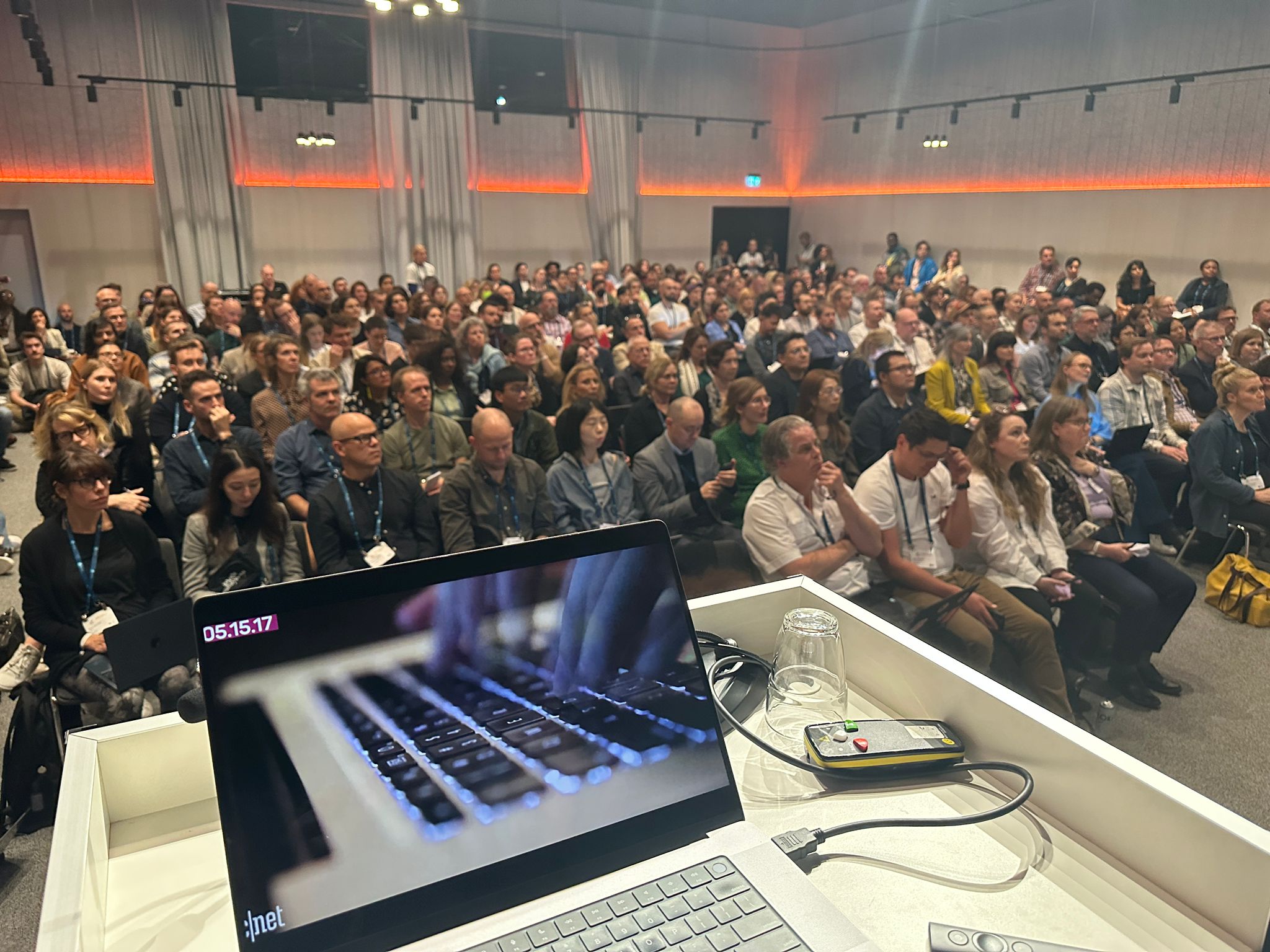
Global Investigative Journalism Conference
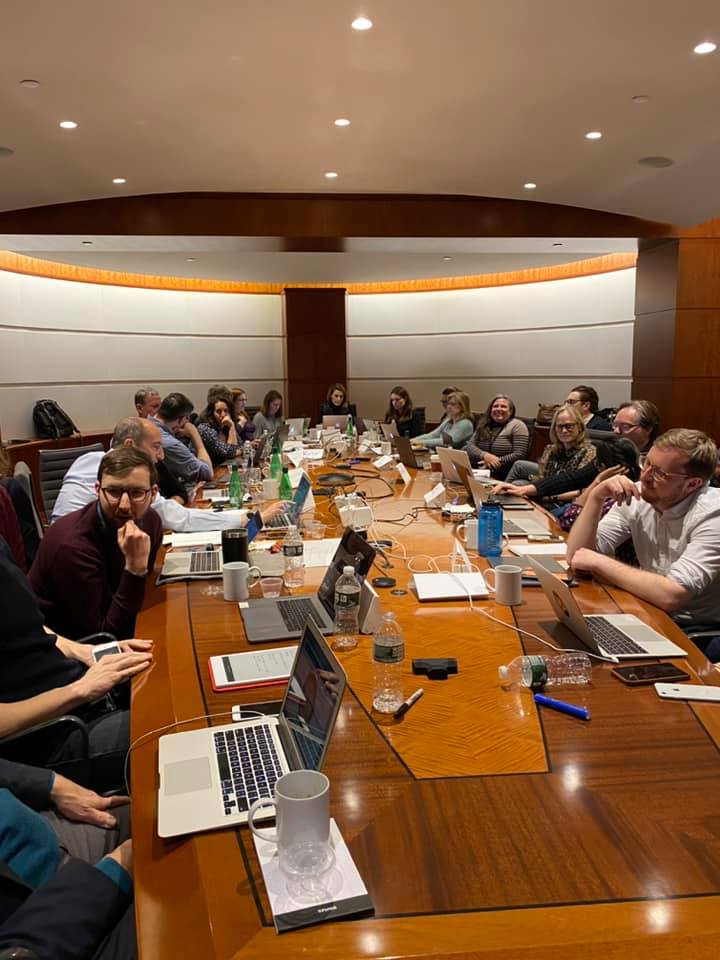
Wall Street Journal, New York
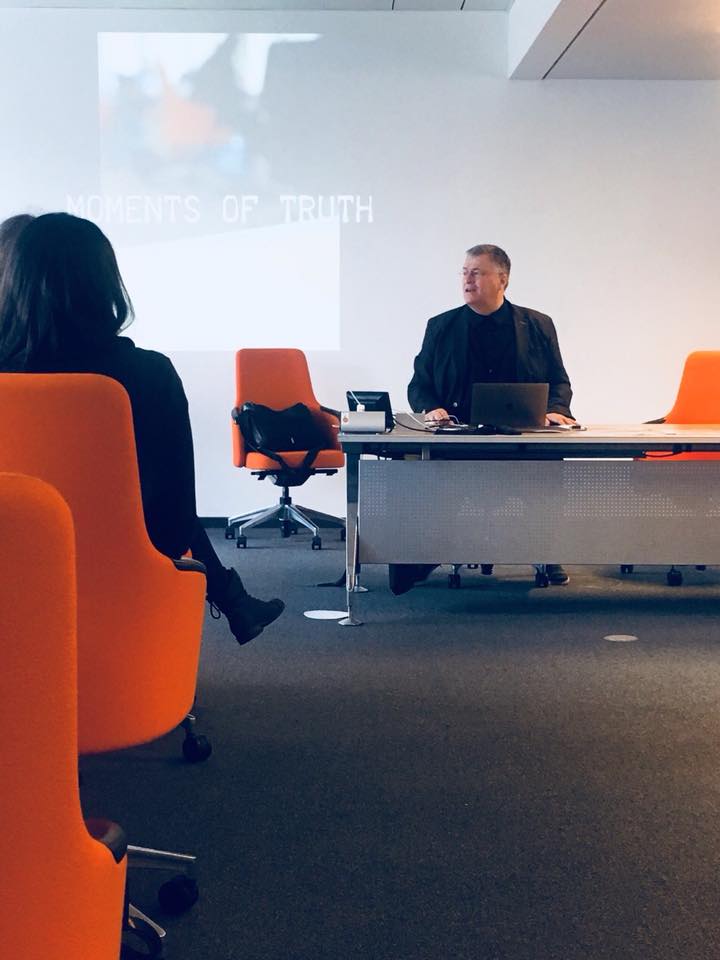
Axel Springer, Berlin
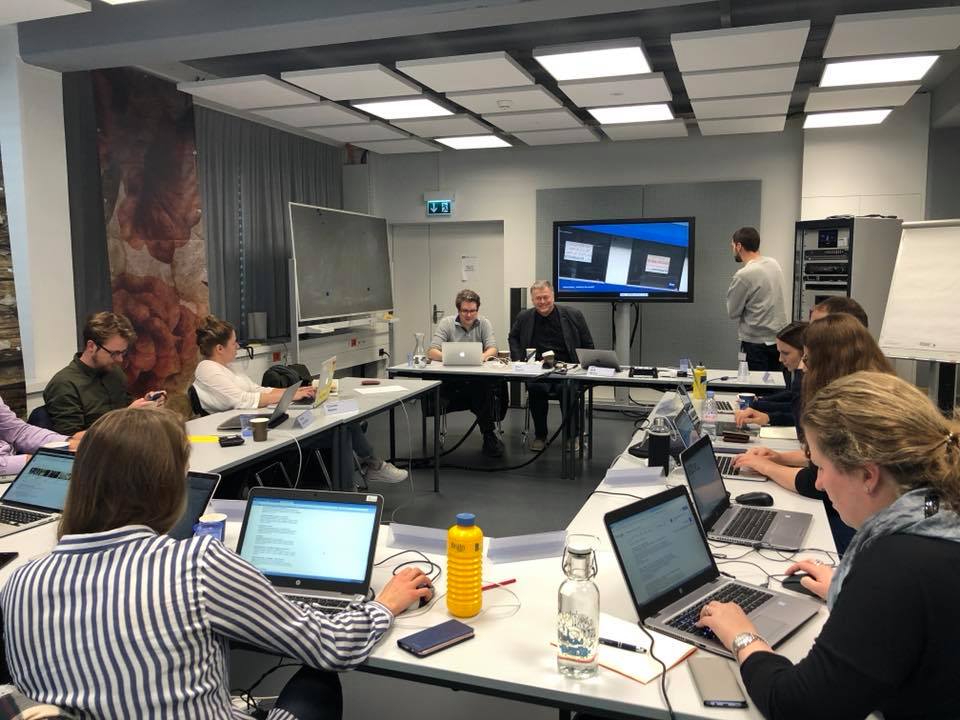
With Eliot Higgins, Bellingcat
Henk van Ess is an international authority in online research and AI-powered digital investigation. He trained journalists at Bellingcat and has worked with Pulitzer Prize winners, major news organizations (NBC, Washington Post, Al Jazeera) and Fortune 500 companies (Google, Microsoft, Facebook, IBM, Oracle).
He authored several books on internet research, including The Researcher's Guide to Practical AI (2025) and Da Google Code. He built AI tools such as SearchWhisperer AI and ImageWhisper.org. His newsletter digitaldigging.org has over 10,000 subscribers at organizations including the BBC, Google, New York Times, Stanford University, Amnesty International, Europol, NATO, and Reuters.
"One of the best in this field is the Dutchman Henk van Ess, an internet expert who constantly finds ways to extract valuable clues."
Credentials
Henk van Ess is registered in CRKBO (Dutch quality register for professional education) and certified by Lloyd's Register as a Training Professional. Workshops available in English, Dutch, and German.